Tracing the Plants and Practices Behind Natural Dyes: Key Points
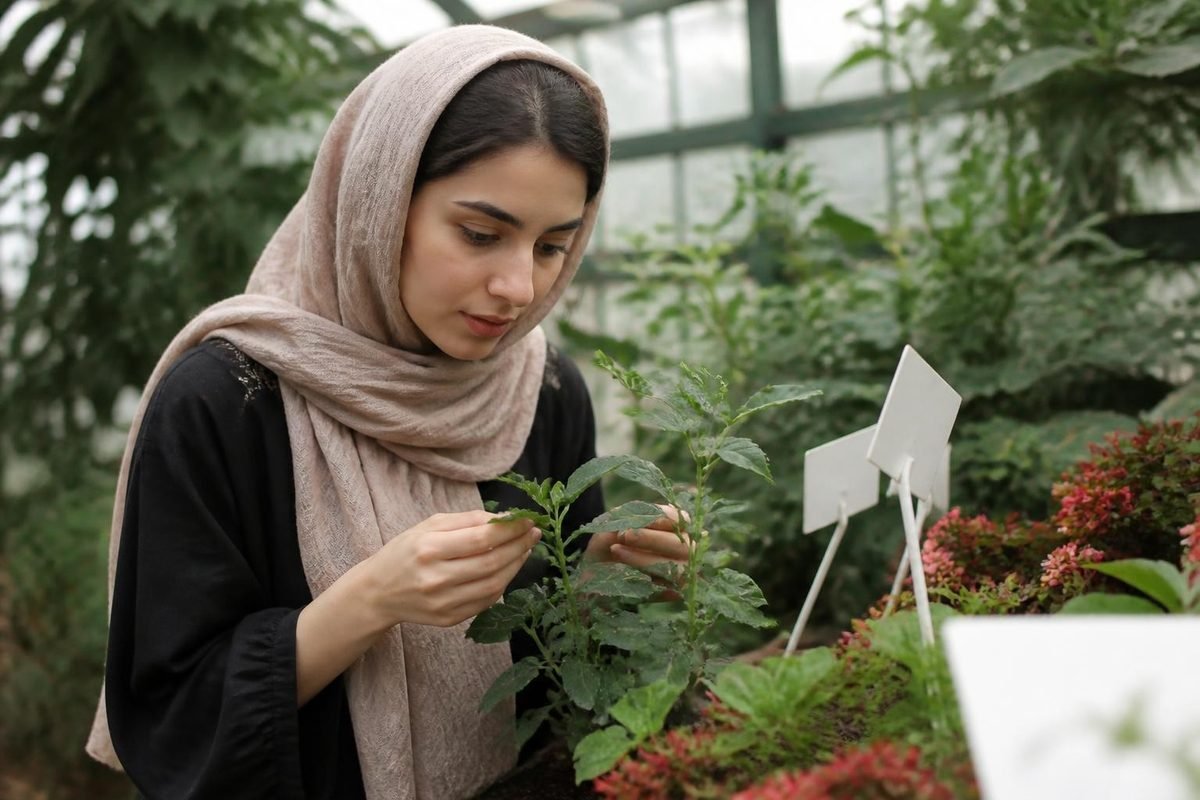
Botanical gardens investigate traditional dye plants by identifying them, cultivating living examples, and recording the colors their different parts can yield. The work can bring garden staff and scientists together with people and communities who know how those plants have been used.
Identifying plants and recording what is known
Before studying a dye, researchers need to establish which plant they mean. One everyday name may describe several species, so a common name alone is not a reliable identification. Researchers check botanical names and compare features such as leaves, flowers, and seeds. They may also preserve a specimen, leaving a durable record of the plant that was examined.
To build a fuller picture, garden researchers can look through older books, herbarium collections, and published research. These sources may indicate where a plant grows and which parts people have used to make color. They can also expose missing details. A brief note that a plant produces a certain shade may say little about the steps involved or the people who developed the practice.
Direct conversations can fill in some of that context. Dyers, growers, and other knowledge holders may share details that are absent from written sources. Researchers should ask permission before documenting or circulating what they learn, and should agree with contributors on how the information may be used. Some knowledge is not intended for public sharing, so recording it does not automatically make it appropriate to publish.
Cultivating plants and examining color
A living collection lets garden staff observe a plant as the seasons change. They can note when it flowers, the conditions in which it grows, and which parts are available to harvest. Cultivation also gives researchers a way to study a plant without repeatedly taking material from wild populations.
A study of one dye plant could follow a careful sequence:
- Check the plant's identity and write down the source of the material.
- Observe its growth and record which part is traditionally used for dye.
- Make a sample with a method that has been documented, after obtaining appropriate permission and taking suitable safety precautions.
- Use the dye on a fiber whose identity is known, and record the ingredients and steps.
- Set samples beside one another for comparison, then note any changes after washing or exposure to light.
The plant is only one part of the result. A familiar kitchen scene helps explain the point: changing the water or the material being worked on can change what comes out, even if the starting ingredient stays the same. With dyes, the fiber, water, preparation process, and substances that help color attach can all influence the shade. Recording those details allows another person to understand the conditions behind a sample instead of assuming every plant always produces one fixed color.
Passing on knowledge and protecting plants
Gardens can make their findings available through collections, written accounts, displays, or workshops. A short plant label might state its name and dye use. A more complete presentation can also describe the people and traditions connected to that use, if contributors have agreed to be identified.
Looking after the plants can be part of the research. Habitat loss and harvesting put pressure on some dye species. Gardens may maintain documented living collections and investigate cultivation, but a plant growing safely in a garden does not replace the need to protect the habitat it comes from.
Research into traditional dyes depends on attentive records and respectful listening as much as it depends on observing color. Careful work recognizes the people whose knowledge gives the plants and their uses their meaning.
Take a look at https://polishcommunitycentre.com/staying-close-from-abroad-sending-flowers-home-to-family/